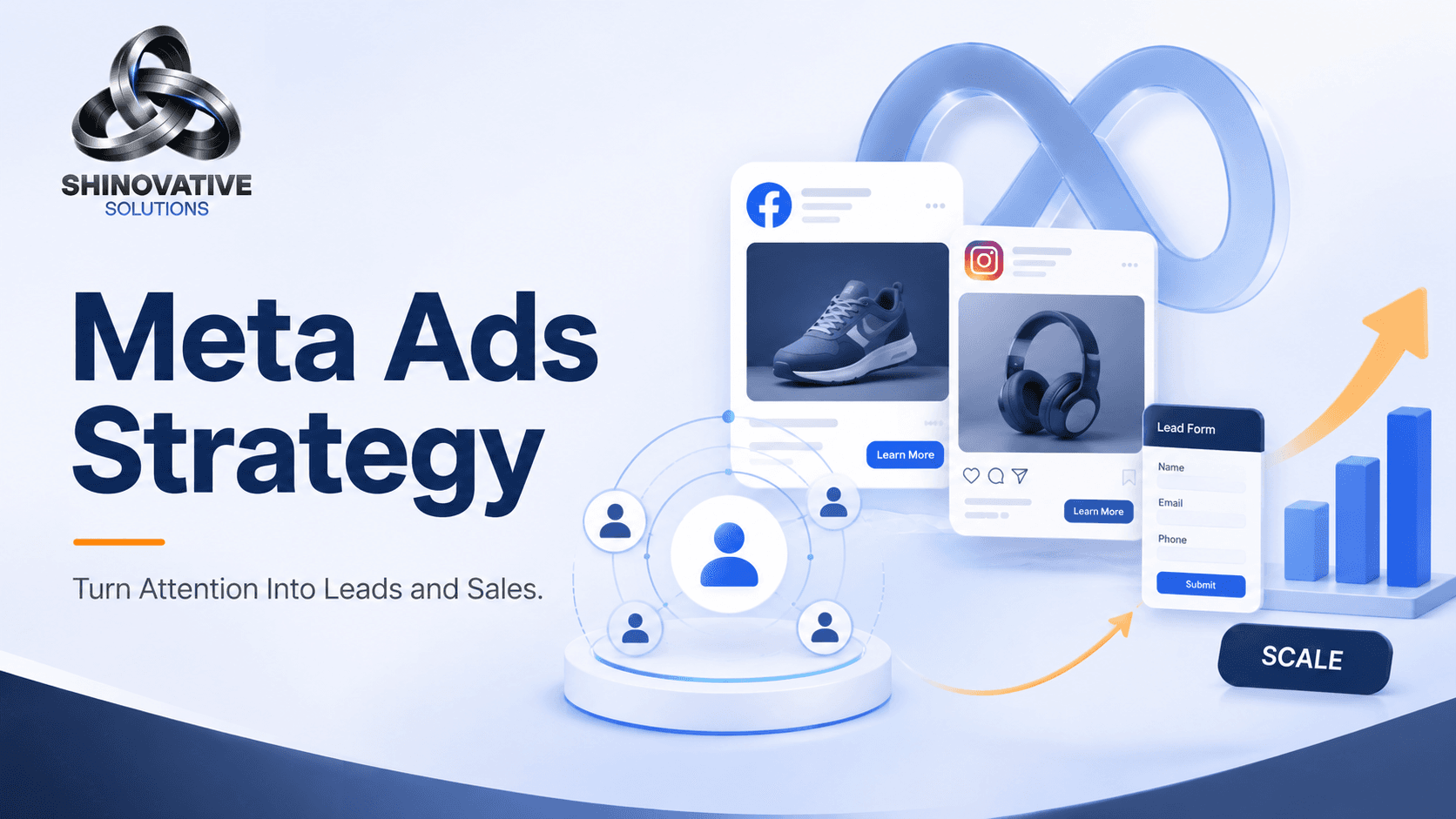
Meta Ads Strategy That Scales: How to Turn Attention Into Leads and Sales
Imagine a person scrolling Instagram after a long day.
They are not actively searching for your business. They are watching reels, checking stories, liking posts, and moving quickly from one thing to another.
Then your ad appears.
You have maybe two seconds to earn attention.
That is what makes Meta Ads different from Google Ads.
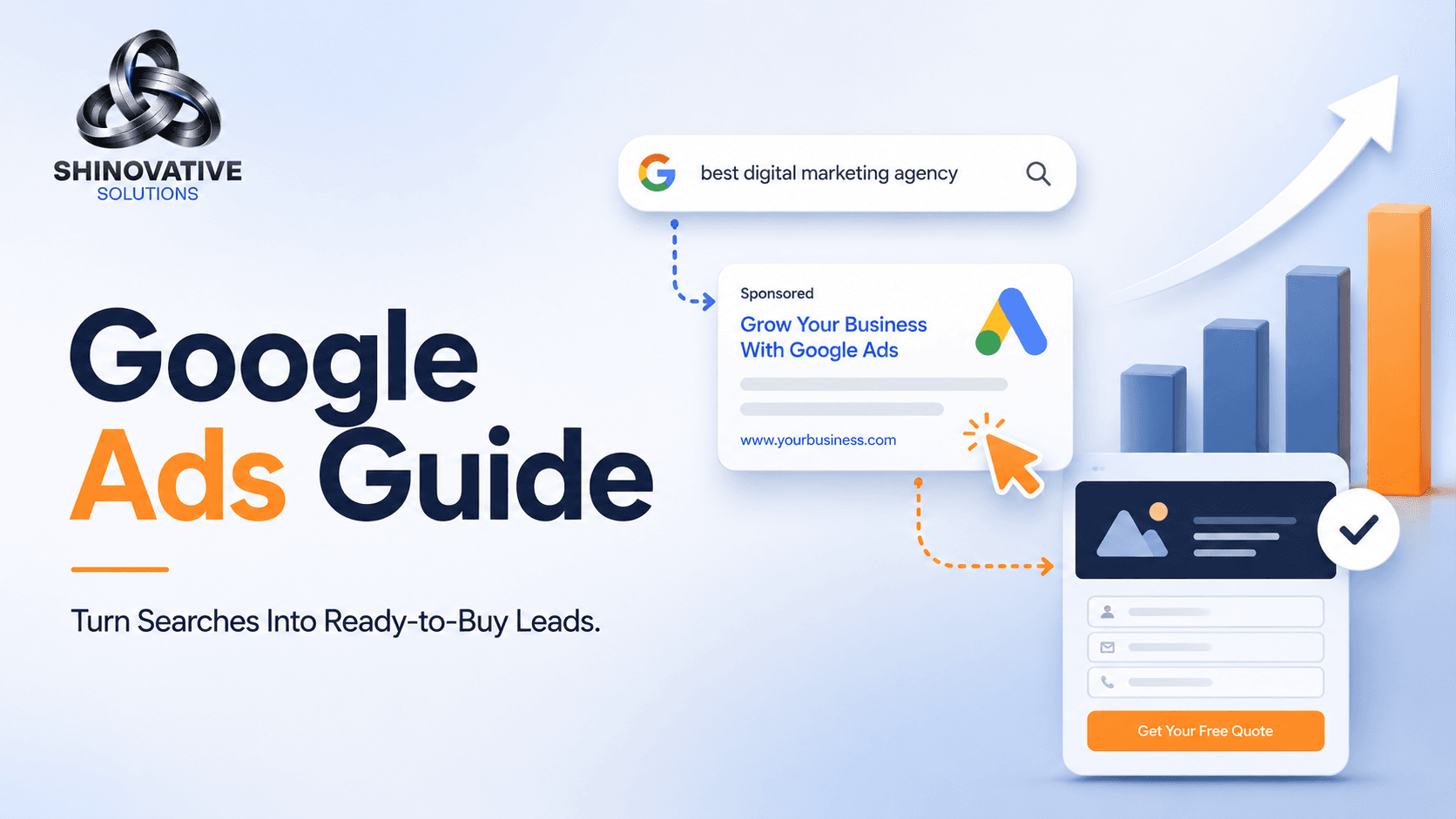
Google Ads captures demand when people are already searching. Meta Ads creates interest before people actively search. It works best when your creative, offer, audience, and follow-up system are strong.
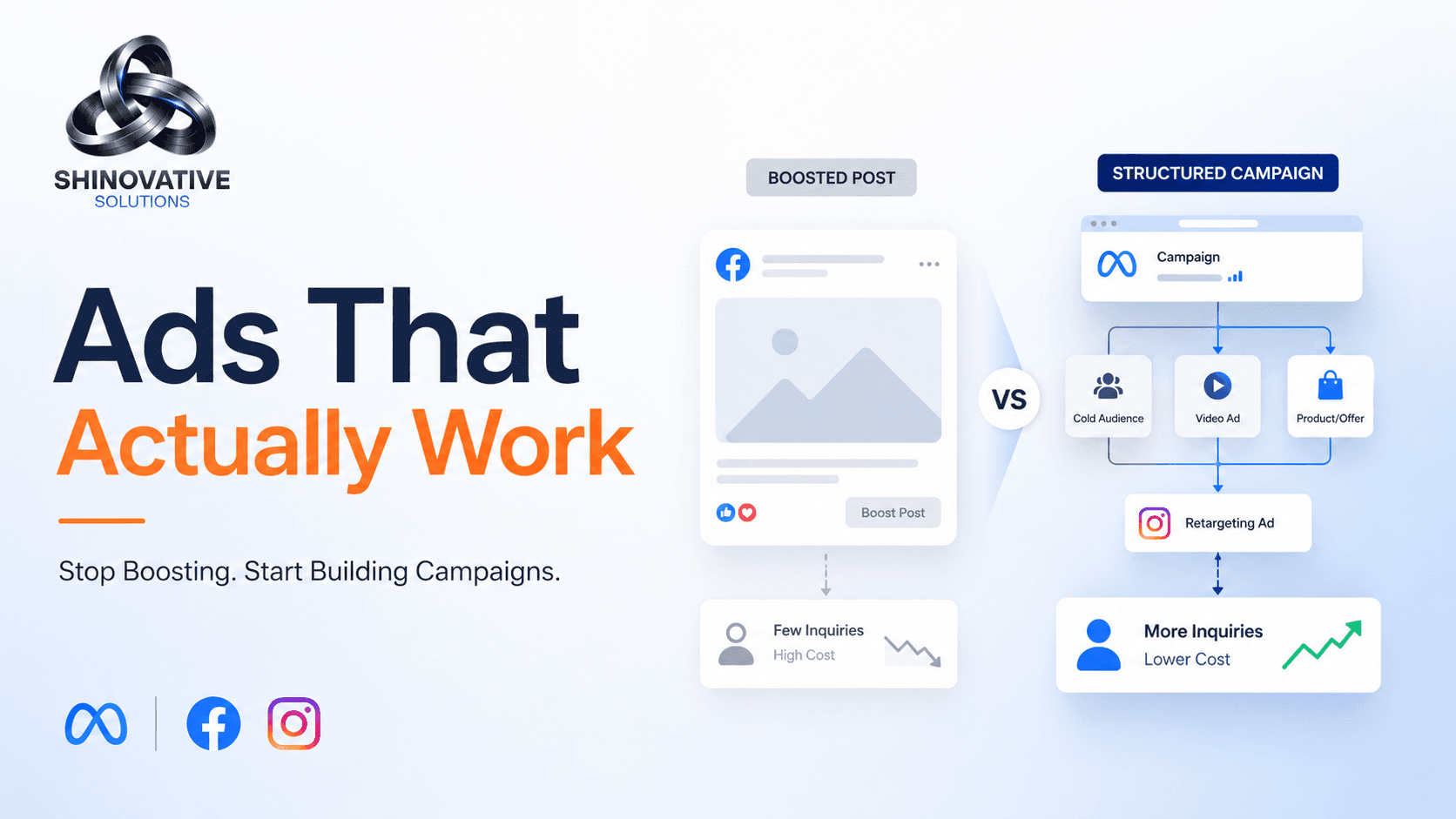
Meta Ads are not just about “boosting posts.” A scalable Meta Ads strategy is about turning attention into trust, and trust into action.
What Are Meta Ads?
Meta Ads are paid ads shown across Meta platforms such as Facebook, Instagram, Messenger, and related placements.
Businesses use Meta Ads for:
- Brand awareness
- Lead generation
- Website traffic
- WhatsApp inquiries
- Product sales
- Event registrations
- Retargeting
- App installs
For small businesses, Meta Ads can be powerful because they allow you to reach people based on location, interests, behavior, engagement, and past interactions with your brand.
But reach alone is not success.
The real question is:
Are your ads reaching people who care, and are they taking the next step?
The Scaling Problem
Many businesses run one ad, target a broad audience, spend some money, and then decide whether Meta Ads work or not.
That is not a strategy.
That is a guess.
Meta Ads need testing because people respond differently to different messages.
One audience may respond to price. Another may respond to trust. Another may respond to urgency. Another may respond to social proof. Another may need education before they inquire.
A scalable strategy does not depend on one lucky ad. It builds a system for testing, learning, and improving.
The Shineovative Meta Ads Framework
A simple framework for Meta Ads is:
Audience → Creative → Offer → Landing Path → Follow-Up
Let’s break it down.
1. Audience: Who Should See the Ad?
Before designing the ad, know who it is for.
A local salon, real estate consultant, e-commerce store, clinic, and digital agency should not speak to everyone the same way.
Ask:
- Who is the ideal customer?
- Where are they located?
- What problem do they have?
- What do they already know?
- What would make them stop scrolling?
- Are they ready to buy, or do they need education first?
Example
For a fitness studio, one audience may be:
People within 5–8 km who are interested in weight loss, fitness, yoga, gym training, and healthy lifestyle.
But the message should still be specific.
Instead of saying:
Join our fitness studio.
Say:
Struggling to stay consistent with workouts? Try guided group fitness sessions near you.
The second message speaks to a real problem.
2. Creative: The Ad Must Stop the Scroll
On Meta, creative is everything.
People are not searching for you. Your ad must earn attention.
Good creatives are usually:
- Clear
- Visual
- Easy to understand
- Emotionally relevant
- Benefit-focused
- Not overcrowded
- Built for mobile
A creative does not need to be loud to work. It needs to be instantly understandable.
Creative example
If a local business wants more leads for website development, a weak ad might say:
We build websites.
A better ad might say:
Your website should not just look good. It should bring inquiries.
That line speaks to a business owner’s real concern.
The image can show a clean website mockup, inquiry form, mobile view, and growth indicator. Simple, but meaningful.
3. Offer: Give People a Reason to Act
Many Meta Ads fail because the offer is unclear.
The ad says what the business does, but not why someone should respond now.
A strong offer does not always mean discount. It can be:
- Free audit
- Consultation
- Trial session
- Limited-time package
- Starter plan
- Checklist
- Demo
- Quote
- Strategy call
Examples
For local SEO:
Get a free Google Business Profile visibility check.
For Google Ads:
Find out where your ad budget is leaking.
For e-commerce:
Get a conversion review for your online store.
For a coaching business:
Book a free clarity session.
A good offer reduces hesitation and makes the next step easier.
4. Landing Path: Where Does the Click Go?
After someone clicks, the experience must continue smoothly.
Depending on the campaign, the landing path could be:
- Website landing page
- Meta lead form
- WhatsApp chat
- Messenger conversation
- Product page
- Booking page
The mistake is sending users somewhere confusing.
If the ad promises a free audit, the landing page should immediately explain the audit.
If the ad promotes a product, the product page should load fast and make buying easy.
If the ad asks users to WhatsApp, the first message should be prepared and clear.
Example
Bad flow:
Ad says “Get a free SEO audit” → user lands on homepage → user searches for contact form.
Good flow:
Ad says “Get a free SEO audit” → user lands on audit page → short form asks for name, website, phone, and business type.
The second flow respects the visitor’s time.
5. Follow-Up: Speed Converts Leads
Meta leads can go cold quickly.
Someone may fill a form while casually browsing. If you respond two days later, they may not remember the ad.
Fast follow-up matters.
For lead generation campaigns, prepare:
- Instant confirmation message
- WhatsApp follow-up
- Email sequence
- CRM tracking
- Call process
- Lead qualification questions
Simple follow-up message
Hi, thanks for requesting the audit. Could you share your website or Google Business Profile link? We’ll quickly review your current visibility and suggest what can be improved.
This feels personal, clear, and relevant.
Meta Ads do not end at the click. The follow-up often decides whether the lead becomes a customer.
Creative Testing: The 3x3 Method
To scale Meta Ads, test creatives properly.
A simple method is the 3x3 test:
Create three angles:
- Problem angle
- Benefit angle
- Proof angle
Then create three creatives for each angle.
Example for Local SEO
Problem angle:
Not showing up when customers search near you?
Benefit angle:
Get more local calls from Google Search and Maps.
Proof angle:
See what your Google Business Profile is missing.
Now test which message gets better leads, not just likes.
The winning angle can then be improved, expanded, and scaled.
Quick Meta Ads Checklist
Before launching a Meta Ads campaign, check:
- Target audience is clearly defined
- Campaign goal is selected properly
- Creative is mobile-friendly
- Message is simple and clear
- Offer gives people a reason to act
- Landing page or lead form matches the ad
- Tracking is set up
- Follow-up process is ready
- Multiple creatives are being tested
- Lead quality is reviewed
Common Meta Ads Mistakes
1. Boosting posts without a strategy
Boosting can increase reach, but it is not the same as a structured campaign.
2. Using one creative for everyone
Different audiences respond to different messages.
3. Making ads too crowded
If people cannot understand the ad quickly, they scroll past it.
4. Having no follow-up system
Leads lose value when response time is slow.
5. Judging only by likes and comments
Engagement is useful, but leads and sales matter more.
Final Takeaway
Meta Ads scale when attention turns into action.
That requires more than a nice design. You need the right audience, scroll-stopping creative, clear offer, smooth landing path, and fast follow-up.
The businesses that win on Meta are not always the ones spending the most. They are the ones testing better, learning faster, and connecting every ad to a real business goal.
FAQs
What are Meta Ads?
Meta Ads are paid advertisements shown across platforms like Facebook, Instagram, Messenger, and other Meta placements.
Are Meta Ads good for small businesses?
Yes. Meta Ads can work well for small businesses when the targeting, creative, offer, and follow-up process are planned properly.
What is the difference between Google Ads and Meta Ads?
Google Ads captures people actively searching. Meta Ads reaches people while they are browsing and helps create interest, awareness, and demand.
What type of creative works best for Meta Ads?
Clear, mobile-friendly creatives with a strong hook, simple message, and relevant offer usually perform better than crowded designs.
How do I scale Meta Ads?
Scale by testing multiple creatives, identifying winning messages, improving landing paths, tracking lead quality, and increasing budget carefully.
Internal Link Suggestions
Link this blog to:
- Meta Ads Services page
- Google Ads Services page
- Digital Marketing Strategy blog
- Social Media Marketing Guide blog
- AI Automation Services page
- Contact page
Suggested anchor text:
- Meta Ads services
- Facebook and Instagram advertising
- Google Ads services
- digital marketing strategy
- social media marketing
- lead follow-up automation
Soft CTA
If your Meta Ads are getting views but not enough serious inquiries, the issue may not be the platform. It may be the creative, offer, landing path, or follow-up process.
Shineovative Solutions can review your Meta Ads strategy and help identify what needs to be tested, improved, or rebuilt so your campaigns can generate better leads.